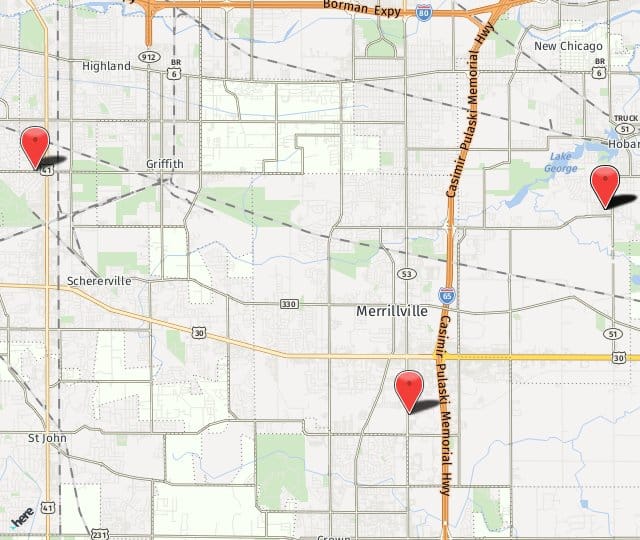
Convenient Locations in Highland, Hobart, & Merrillville
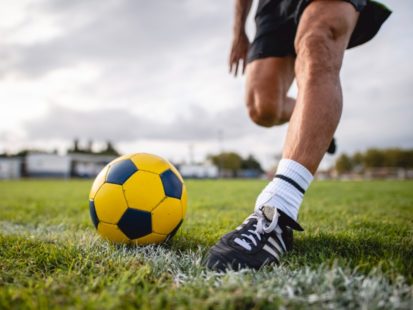
The knee is the largest joint in the human body, and it can easily be injured. Our knees are made up of bone, cartilage, ligaments, tendons, and fluid-filled sacs (bursae). Muscles and tendons help the knee joint move. Damage to any part of the knee, caused by injury or long-term wear and tear, can result in pain, stiffness, or loss of function.
At Bone & Joint Specialists in Merrillville, Hobart, and Highland, Indiana, our board-certified orthopedic surgeons are dedicated to getting you past the injury and back to the activities you love.
Knee Injuries and Issues We Treat
- Sprains and Strains
- Meniscal Tears
- Joint Replacements
- Medial Collateral Ligament (MCL) Tears
- Anterior Cruciate Ligament (ACL) Tears
- Posterior Cruciate Ligament (PCL) Tears
What Causes Knee Injuries?
When any part of the knee breaks down from overuse or is injured due to trauma, this is considered a knee injury. Knee injuries are quite common in people of all ages, not just athletes. Unfortunately, knee injuries also interfere directly with our quality of life, making routine things like climbing stairs a struggle.
The most common disease affecting our knees is osteoarthritis, which is known as “wear and tear” arthritis. It is simply the result of the cartilage in the knee gradually wearing down over time, resulting in pain and swelling.
Injuries are common in the ligaments and tendons that connect bones to muscles and limit knee movement. The most common and well-known is tearing the anterior cruciate ligament (ACL). This is a common sports injury caused by a sudden twisting motion.
Symptoms of a Knee Injury

Symptoms relate to what is going on with your knee. For instance, if you have knee pain that seems to have gotten worse over the years, this is likely due to osteoarthritis and your cartilage wearing out. If you’re playing tennis and feel your knee give out, you could have torn your ACL. When you have torn a knee ligament, there won’t be any doubt about having injured your knee.
Here are some common symptoms of a knee injury:
- Swelling and stiffness
- Redness and warmth to the touch
- Weakness or instability, especially with lateral movement
- Popping or crunching noises when you move your knee
- Inability to fully straighten the knee
what are the most common knee injuries?
A knee injury can involve any part of the knee, from the ligaments to the bursae. These are the most common injuries:
- ACL tears: The anterior cruciate ligament (ACL) is one of four ligaments that connect your shinbone to your thighbone. This ligament is commonly torn during sports that require sudden changes in direction when running.
- Fractures: The bones of the knee, including the patella (the kneecap), can be broken in a fall or car wreck. If you have osteoporosis, the odds of having a fracture increase dramatically.
- Torn meniscus: The meniscus is the rubbery cartilage that acts as a cushion and shock absorber between your shinbone and your thighbone. The meniscus can be torn by suddenly twisting your knee while the knee is carrying weight.
- Knee bursitis: Some injuries cause the bursae, the small sacs of fluid that cushion the outside of the knee joint, to become inflamed.
- Patellar tendinitis: Many athletes develop tendinitis in their patellar tendon, which connects the quadriceps muscle on the front of the thigh to the shinbone. Runners, skiers, cyclists, and those in jumping sports commonly have this tendinitis.
Knee Surgery Patient Testimonial
“Dr. Ham has done a few of my knee surgeries exceptional, exceptional results great experience !!!!!! Thank you. All so much!!!!!”
Are Knee Injuries More Common at Certain Ages?
Wear-and-tear damage to knee cartilage is more common after age 50, often leading to arthritis and the need for surgical treatment. This is simply a result of long-time use coupled with a decrease in the strength of the support ligaments, muscles, and tendons. Osteoporosis affects the bones in the knee and typically becomes evident after age 50 to 55.
Traumatic injuries, such as ACL or MCL tears, don’t have a preponderance associated with age. They are just as likely in a well-conditioned 23-year-old NFL football player as they are in a 65-year-old pickleball player.
How to Avoid Knee Injuries
No one can 100% prevent knee pain or injury, and not all knee pain is serious or needs attention (other than possibly rest). These measures can help you avoid knee injury:
- Maintain a healthy weight: Imagine carrying around a small bag of fertilizer all day. That’s what your knees have to do when you’re 25 or more pounds overweight. The increased loads simply increase your risk of injury.
- Be in shape for your sport: Jumping right into a sport without any preparation is far more likely to result in a knee injury. Prepare your muscles for the demands of the sport you want to participate in.
- Practice the right way: When practicing, make sure you’re using the correct technique and movement patterns.
- Get strong, but stay flexible: Weak muscles are the leading cause of knee injuries. But overly tight muscles, no matter how strong, also lead to injury. Include flexibility exercises with your strength training in your workouts.
- Be smart and don’t force things: If you have chronic knee pain from osteoarthritis or are constantly having the same nagging knee injury, maybe it’s time to switch to low-impact exercise, or possibly play a different sport.
What Should I Do if I Have a Minor Knee Injury?
The professionals at Bone and Joint Specialists of Valparaiso, Hobart, Highland, and Merrillville, IN, encourage you to be prudent about assessing your knee injury as soon as possible. A minor knee injury, such as a sprain, often does not require medical attention and can be managed safely and effectively at home.
However, severe tears, such as medial collateral ligament, anterior cruciate ligament, or posterior cruciate ligament tears, should all be evaluated and treated with the assistance of a medical provider.

How Can I Tell if My Knee Injury Is Serious or Not?
A serious knee injury often causes intense pain, significant swelling, a visible deformity, or an inability to bear weight on the leg. If your knee feels unstable, locks in place, or gives out when you try to walk, these are also warning signs that the injury may involve a torn ligament, fracture, or cartilage damage. While mild injuries may improve with rest, ice, and physical therapy, persistent or worsening symptoms should always be evaluated by a medical provider to prevent long-term complications.
When Should I See a Doctor for My Knee Injury?
There are certain symptoms that should be evaluated by a doctor in the event of a knee injury. If your knee has severe pain, swelling, or instability that does not resolve with home treatment, a medical provider should be seen to evaluate the injury and decide on the next steps.
Our doctors at Bone and Joint Specialists in Indiana can assess the severity of the injury, diagnose the problem, and provide appropriate treatment recommendations to help you heal and recover properly. Diagnosis of the problem may include X-rays and other imaging options.
Is Surgery Necessary to Treat a Knee Injury?
While you may automatically assume that your knee needs surgery to recover, this is not always the case. Many minor knee injuries are treatable with home therapies, including rest, ice, and heat.
However, severe injuries that will not resolve on their own or with therapy alone may require surgical interventions. Your doctor can walk you through your treatment options after you get a proper diagnosis, educating you on your condition and the most conservative options to try first before resorting to surgical interventions.
Can Physical Therapy Help With Managing a Knee Injury?
Physical therapy is often the most effective way to treat a minor or moderate knee injury. It is also recommended after surgical treatments to restore function and mobility to the knee joint and surrounding ligaments and muscles. Physical therapists have extensive knowledge of the musculoskeletal system and can create an individualized treatment plan to help you heal and improve your symptoms, getting you back into the game or into your normal activities faster.

Some of the treatments that may be performed by a physical therapist include:
- Manual therapies
- Therapeutic exercise
- Ultrasound treatments
- Electric stimulation therapy (E-Stim)
- Patient education
Does Insurance Cover the Cost of Treating a Knee Injury?
If you have medical insurance, your plan may offer coverage for not only the treatment of the condition but also any added surgeries or therapies needed to heal afterward. It is essential to call your health insurance plan provider to determine what out-of-pocket costs can be reduced or eliminated with your current benefits.
Why Choose Bone & Joint Specialists
At Bone & Joint Specialists, patients benefit from the expertise of two of the region’s most recognized orthopedic surgeons: Dr. Andrews and Dr. Ham.
Dr. Scott Andrews, a fellowship-trained joint replacement specialist, completed his advanced training at Johns Hopkins Hospital and has been named “Best in Region” in orthopedics for ten consecutive years. With a strong focus on restoring mobility and improving quality of life, he offers a full spectrum of knee treatments, from conservative therapies to minimally invasive joint replacement procedures. His leadership in developing surgical tools and outpatient recovery pathways, along with his role as the medical director of the Joint Academy at St. Mary’s Hospital, reflects his commitment to advancing orthopedic care.
Dr. Kenneth Ham brings over two decades of surgical experience to the Northwest Indiana community, with a unique background in both hand surgery and comprehensive orthopedic care. Like Dr. Andrews, Dr. Ham has been consistently recognized as a top orthopedic surgeon in the region. He treats a wide range of conditions, including complex knee injuries, with a focus on helping patients return to daily life with less pain and greater function.
Both surgeons are board-certified, skilled in the latest technologies, and affiliated with top surgical centers across Merrillville, Highland, and Hobart. They ensure high-quality care close to home.
Frequently Asked Questions
Can Being Flat-Footed or Having Poor Foot Alignment Contribute to Knee Problems?
Yes, poor foot alignment, such as being flat-footed, can affect how your legs move and how pressure is distributed across your joints. When the arches of the feet collapse, it can lead to increased inward rotation of the knees, putting strain on the ligaments, tendons, and cartilage.
Over time, this imbalance can contribute to knee pain, instability, or injury, especially during activities that involve running, walking, or jumping.
Can Knee Injuries Cause Long-Term Damage if Left Untreated?
Yes, untreated knee injuries can lead to chronic pain, joint instability, reduced mobility, or the early development of arthritis. Even minor injuries, such as a small meniscus tear or ligament sprain, can worsen over time if not properly managed. Early diagnosis and treatment can help protect joint function and prevent more serious complications later on.
What’s the Difference Between Partial and Total Knee Replacement?
Partial knee replacement involves replacing only the damaged section of the knee joint, typically one of the three compartments. It preserves more of the natural bone and ligaments, which can lead to a faster recovery and more natural movement.
Total knee replacement, on the other hand, replaces all the weight-bearing surfaces of the knee. This option is typically recommended when damage is widespread across the joint.
How Long Does It Typically Take to Recover From a Knee Injury?
Recovery time varies depending on the type and severity of the injury. Mild sprains or strains may improve in a few weeks with rest and physical therapy. Moderate injuries like meniscus tears may take 6–12 weeks to heal.
For more severe injuries, such as ligament tears or fractures requiring surgery, recovery can take several months and may involve a structured rehab program to restore strength and mobility.
Can Knee Injuries From Sports Be Prevented With Specific Exercises?
Yes, targeted exercises can strengthen the muscles that support the knee, improve flexibility, and enhance joint stability. Focusing on core strength, hip alignment, and leg conditioning can reduce the risk of injury during sports or physical activity.
Exercises like squats, lunges, hamstring curls, and balance drills can help protect the knee, especially when combined with proper warm-ups and technique training.
Schedule A Consultation
If you believe you have a knee injury please contact us today at 219.795.3360 to schedule an appointment at one of our offices.