What These Knee Symptoms Can Mean
Locking, catching, and giving way describe different sensations. A locked knee may become stuck in one position or resist fully straightening. Catching can feel like a brief snag or hesitation during movement, while giving way refers to sudden buckling or a loss of support.
A torn meniscus is frequently linked with catching or restricted motion. The meniscus is a piece of cartilage that cushions the joint, and a tear can interfere with smooth bending and straightening. Some tears occur during a twisting injury, but cartilage can also become more vulnerable to damage over time. Our guide to meniscus and ligament injuries covers several structures that can be affected during sports and everyday activity.
When the knee feels unstable rather than physically stuck, an ACL, MCL, or PCL injury may be responsible. These ligaments help control movement and keep the joint steady. Osteoarthritis can also cause stiffness, swelling, limited motion, and a knee that feels less dependable during daily tasks.
How Knee Instability Is Evaluated
An orthopedic appointment usually begins with a discussion of when the problem started, which movements bring it on, and whether an injury occurred. Our team can then examine the joint’s range of motion, tenderness, swelling, strength, and stability.
X-rays may show changes within the bones or joint space. When our providers need a clearer view of cartilage, ligaments, tendons, or other soft tissues, they may recommend MRI imaging.
Treatment for a Knee That Locks or Buckles
Treatment depends on the injured structure, the extent of the damage, and how much the symptoms affect your routine. Nonsurgical care can include temporary activity changes, medication, injections, bracing, or physical therapy to improve motion and strengthen the muscles supporting the knee.
Certain meniscus or ligament injuries may need arthroscopic surgery. When advanced arthritis has caused substantial joint damage and conservative care is no longer helping, joint replacement surgery may become part of the discussion. Replacement is not the usual answer for every catching or unstable knee.
When to See an Orthopedic Specialist
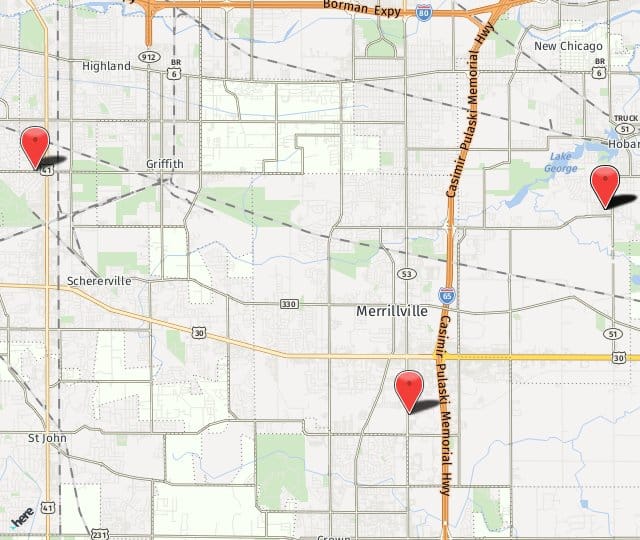
Persistent buckling, interrupted motion, or difficulty fully bending or straightening your knee deserves an evaluation. To meet with our orthopedic team in Merrillville, Highland, or Hobart, IN, contact us or call Bone & Joint Specialists at 219-795-3360.