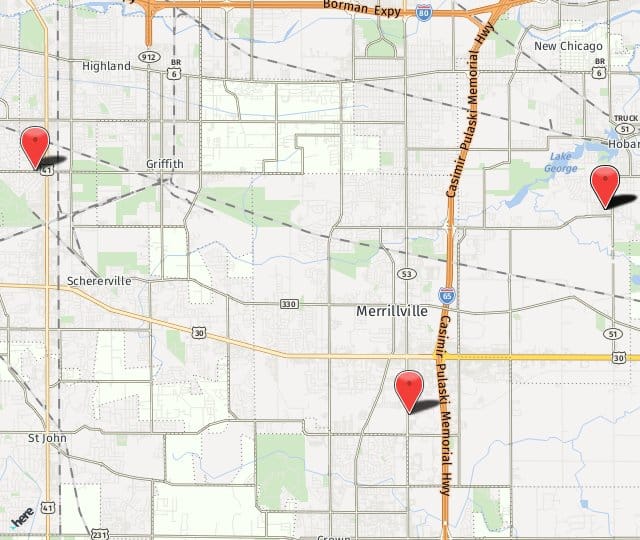
At Bone & Joint Specialists, Orthopedic & Spine Center, our board-certified orthopedic surgeons help individuals throughout Merrillville, Highland, and Hobart, Indiana, diagnose and treat a wide range of shoulder conditions. Identifying the problem early often makes treatment simpler and can help you return to normal activities sooner.
What Is the Rotator Cuff?
The rotator cuff is a group of four muscles and tendons that stabilize the shoulder joint and allow you to lift, reach, and rotate your arm. Because the shoulder is the most mobile joint in the body, it is particularly vulnerable to injury and overuse.
Rotator cuff tears can occur suddenly after a fall or lifting injury, but they often develop gradually. Repetitive overhead activities, sports participation, and physically demanding jobs can also place ongoing stress on the tendons, increasing the likelihood of injury over time.
Common Signs of a Rotator Cuff Tear
Rotator cuff tears can develop gradually or occur suddenly after an injury. Some of the most common symptoms include:
- Pain during everyday activities: Discomfort may occur when reaching overhead, lifting objects, or extending your arm away from your body. Getting dressed, putting away dishes, or performing routine household tasks may suddenly become painful.
- Weakness in the arm: A torn rotator cuff can reduce strength and make lifting, pushing, or pulling more difficult than usual.
- Nighttime pain: Many people first realize something is wrong when discomfort worsens at night, especially when lying on the affected side. Persistent pain that disrupts sleep is a good reason to seek evaluation.
- Limited movement: As tendon damage progresses, stiffness and restricted motion can make it harder to use the arm normally.
- Clicking or catching sensations: Some people notice popping, clicking, or catching during movement when the tendons become irritated or damaged.
When Should You See an Orthopedic Specialist?
Persistent pain, increasing weakness, loss of function, or symptoms that interfere with sleep should not be ignored. Early evaluation can help prevent further damage and improve the likelihood of successful treatment.
Not every rotator cuff tear requires surgery. Many partial tears respond well to conservative options such as physical therapy, activity modification, anti-inflammatory medication, and guided rehabilitation. More significant tears may require arthroscopic shoulder surgery.
At Bone & Joint Specialists, our board-certified orthopedic surgeons offer a full range of shoulder care, from advanced MRI imaging and physical therapy to minimally invasive arthroscopic procedures when needed.
Call 219-795-3360 today to schedule an evaluation and learn which treatment options may be right for you in Hobart, Highland, or Merrillville, IN.