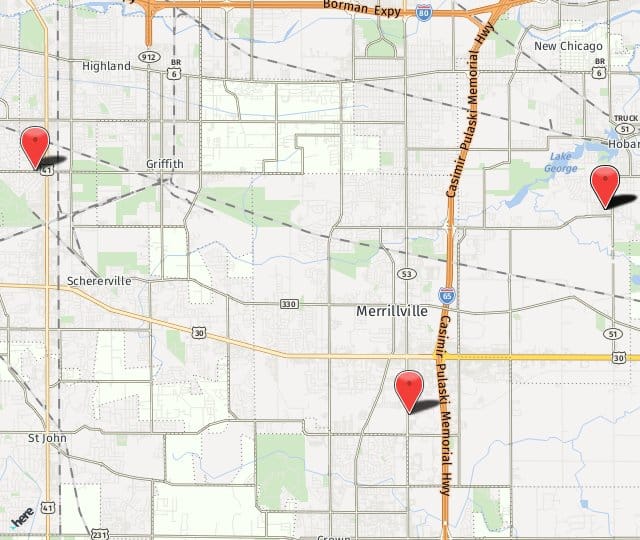
At Bone & Joint Specialists, Orthopedic & Spine Center, our board-certified orthopedic surgeons help patients throughout Merrillville, Highland, and Hobart, Indiana, identify the source of back problems and develop treatment plans tailored to their needs.
What Does a Muscle Strain Usually Feel Like?
A muscle strain often develops after lifting something heavy, performing repetitive movements, or making a sudden awkward motion. The discomfort is typically localized to one area of the back and may feel sore, tight, or tender.
Many strains improve gradually over several days or weeks with activity modification, rest, and conservative care. When soreness lingers longer than expected or continues to worsen, it may be time to look beyond a simple strain.
Signs Your Back Pain May Be Something More Than a Strain
While muscle injuries are common, pain that travels into the legs or is accompanied by numbness or weakness could indicate nerve involvement. Other warning signs may point to a condition involving the spine rather than the surrounding soft tissues.
Some signs to look out for are:
- Pain that radiates into the buttocks, leg, or foot
- Numbness or tingling
- Weakness in the leg or foot
- Difficulty standing or walking for extended periods
- Discomfort that does not improve with rest
- Recurring episodes of back pain
- Increasing discomfort over time
Conditions That Can Mimic a Muscle Injury
Several spine-related conditions can initially feel very similar to a pulled muscle.
A herniated disc occurs when disc material pushes beyond its normal boundaries and places pressure on nearby nerves. This may lead to radiating pain, numbness, or weakness.
As the spine naturally changes with age, spinal stenosis can develop. This narrowing of the spinal canal reduces space around the nerves and may cause pain, numbness, or difficulty walking.
How Orthopedic Specialists Find the Source of Back Pain
Finding the source of back discomfort starts with a detailed medical history and physical examination. Depending on what you’re experiencing, your orthopedic specialist may recommend X-rays, MRI imaging, or other diagnostic tests to evaluate the spine.
At Bone & Joint Specialists, our high-resolution MRI technology provides detailed images of discs, nerves, and other spinal structures, helping physicians make an accurate diagnosis.
Early Treatment Can Help Prevent Long-Term Problems
Many spine-related conditions respond well to conservative treatment when addressed early. Depending on the diagnosis, treatment may include physical therapy, anti-inflammatory medications, activity modification, weight management strategies, or injections.
If conservative measures fail to provide relief, or if neurological symptoms continue to progress, surgical treatment may be considered.
If ongoing back discomfort is making everyday activities more difficult, our board-certified orthopedic surgeons at Bone & Joint Specialists can help determine what’s contributing to your symptoms and recommend the most appropriate treatment options. Call 219-795-3360 today to schedule an evaluation in Merrillville, Highland, or Hobart, IN.